
Technical Support for Composite Manufacturing
Focused on material selection, process setup, troubleshooting and technical documentation.
Practical composite guides

What Is a River Table? Why Deep Pour Epoxy Matters
A practical overview of exotherm control, bubbles, casting depth and process planning when combining epoxy with natural wood.
Read technical guide →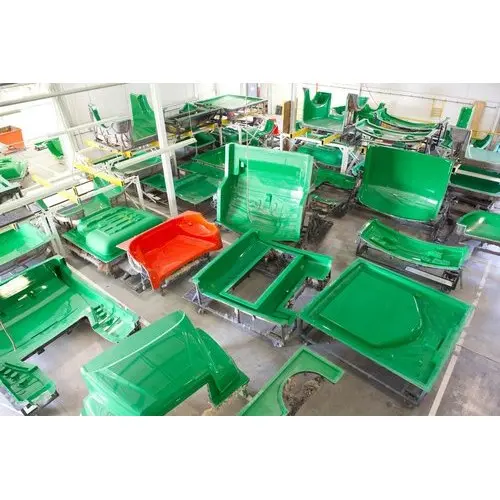
RTM – Resin Transfer Molding
A practical overview of RTM: dry reinforcement is loaded into a closed mold and resin is introduced under controlled pressure to form a repeatable composite part.
Read article →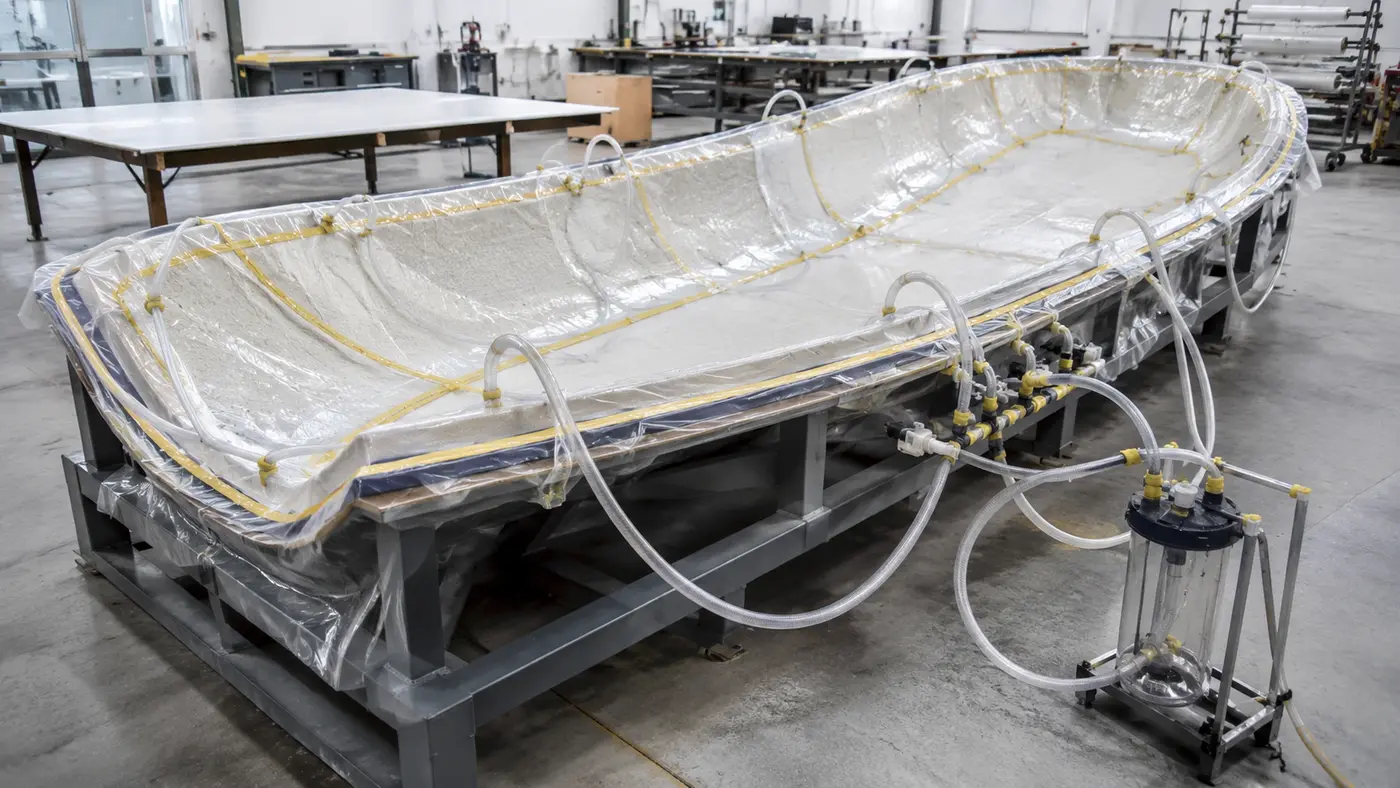
Vacuum processing principles for composites
Vacuum creates a pressure differential that compacts the lay-up, manages air and supports resin flow in vacuum bagging and infusion processes.
Read article →
Selecting a mold-release system
The correct release system starts with the mold substrate, resin chemistry, process temperature, post-painting requirements and target surface quality.
Read article →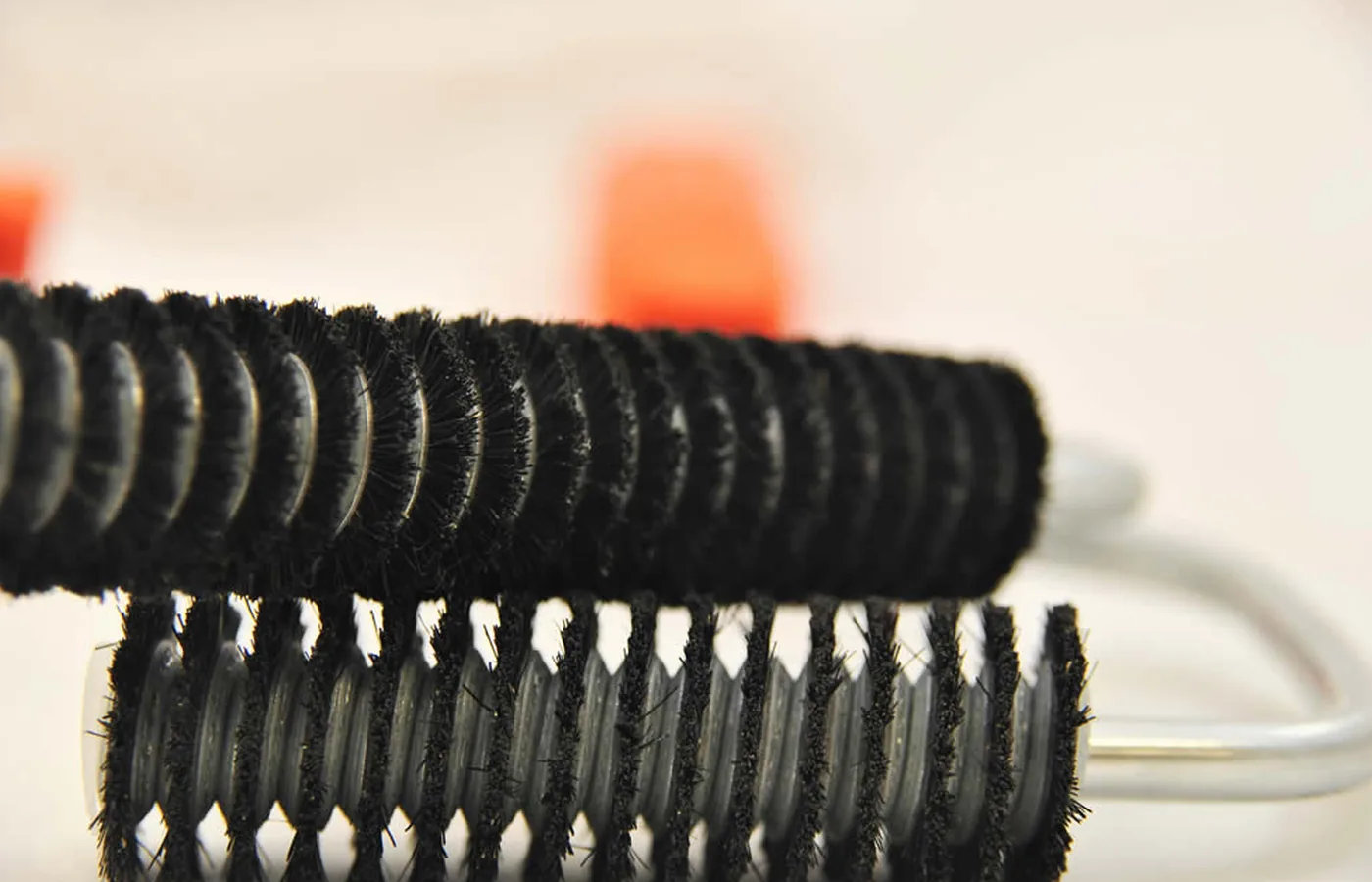
Guide to selecting composite rollers
The correct roller distributes resin, consolidates reinforcement against the surface and removes trapped air without disturbing the fiber architecture.
Read article →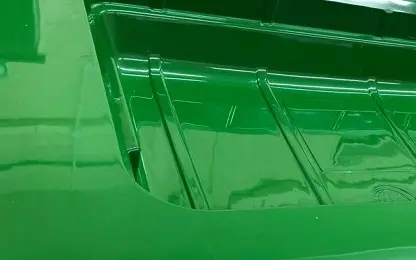
Gelcoat defects and troubleshooting checks
Gelcoat defects often involve a combination of mold preparation, film thickness, catalyst level, temperature, humidity and laminate timing.
Read article →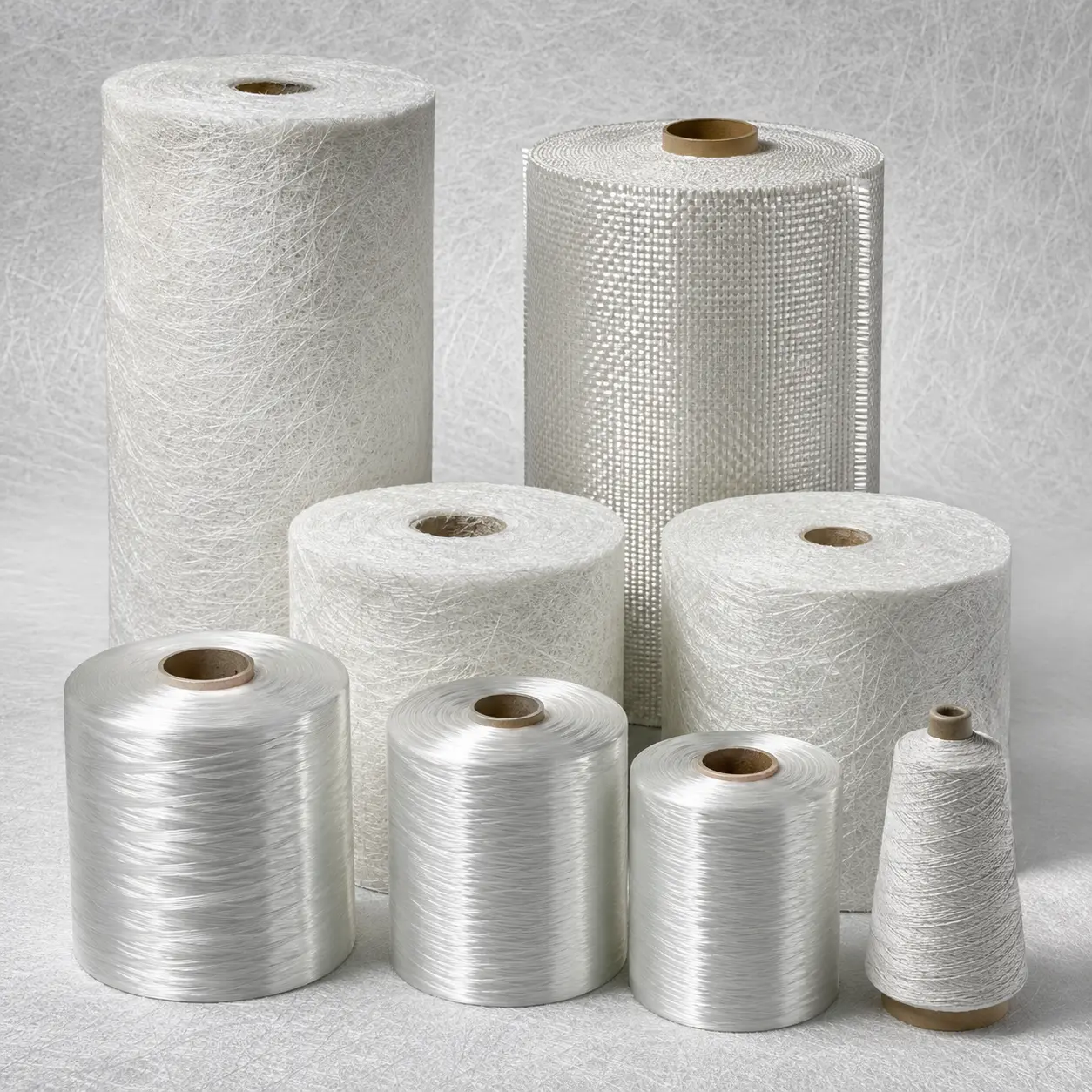
Overview of fiberglass reinforcements
A practical distinction between CSM, woven roving, direct roving and common reinforcement forms for FRP processing.
Read article →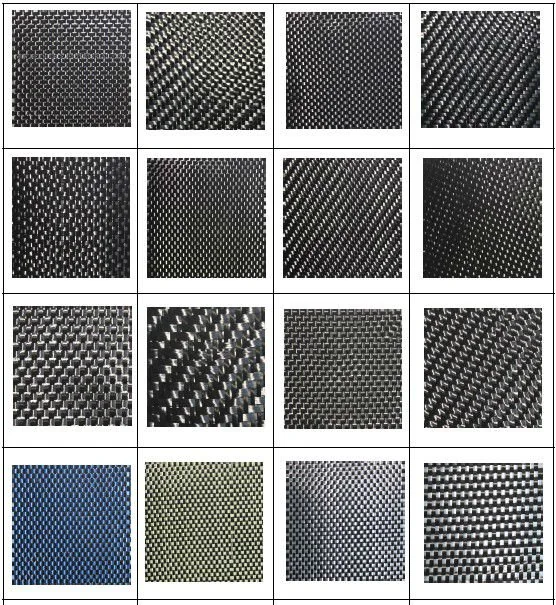
Carbon fiber in composite technology
Carbon fiber offers high specific stiffness but requires careful control of fiber direction, resin content and processing.
Read article →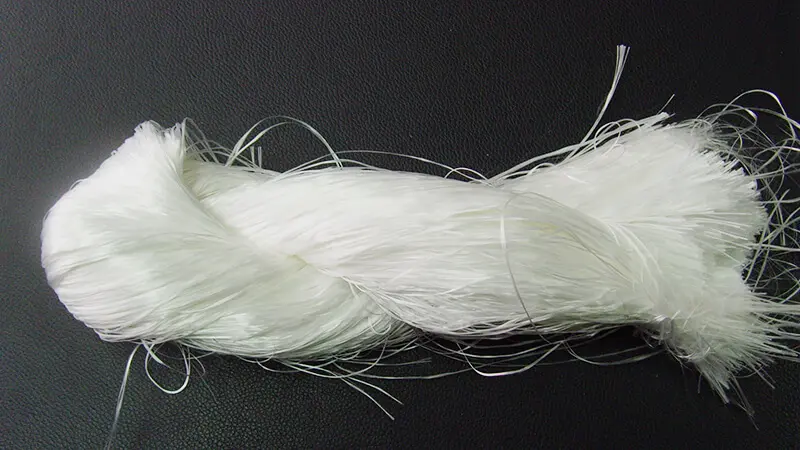
Premix GRC – glass fiber reinforced concrete
Premix GRC distributes alkali-resistant glass fiber through a cement matrix for thinner parts and improved crack control.
Read article →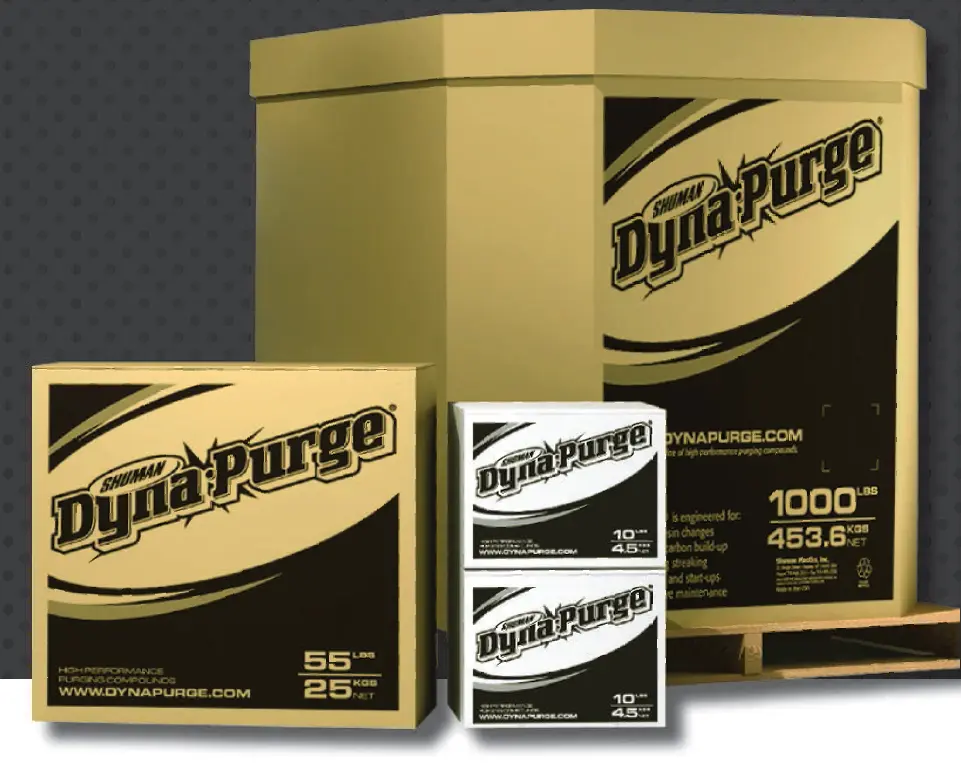
Selecting a purging compound by machine and polymer
Purging effectiveness depends on grade, temperature, previous and next polymer, and machine design—not just purge quantity.
Read article →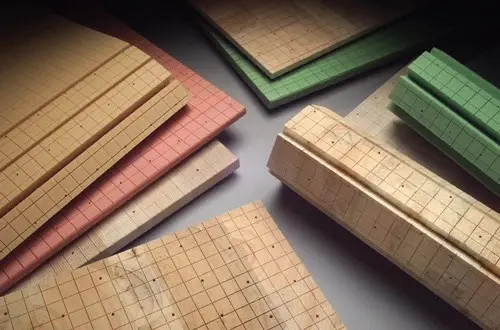
Composite Core Materials: Types, Properties & Selection Guide
Overview of foam, honeycomb, balsa and other core materials for composite sandwich structures, including properties, applications and selection guidance.
Read article →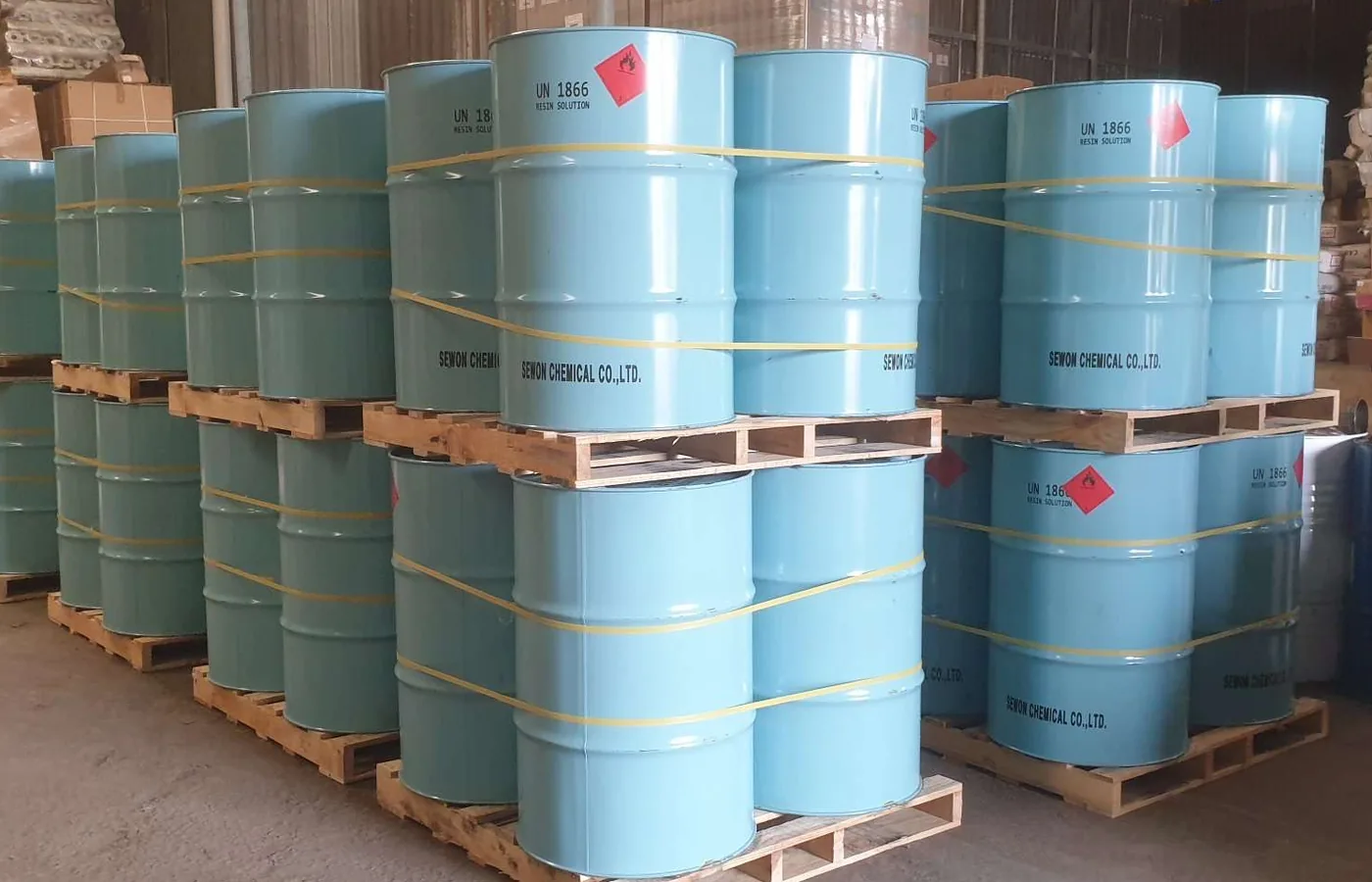
Low-styrene polyester processing
Reducing styrene must be considered together with viscosity, wet-out, gel time, cure and surface quality.
Read article →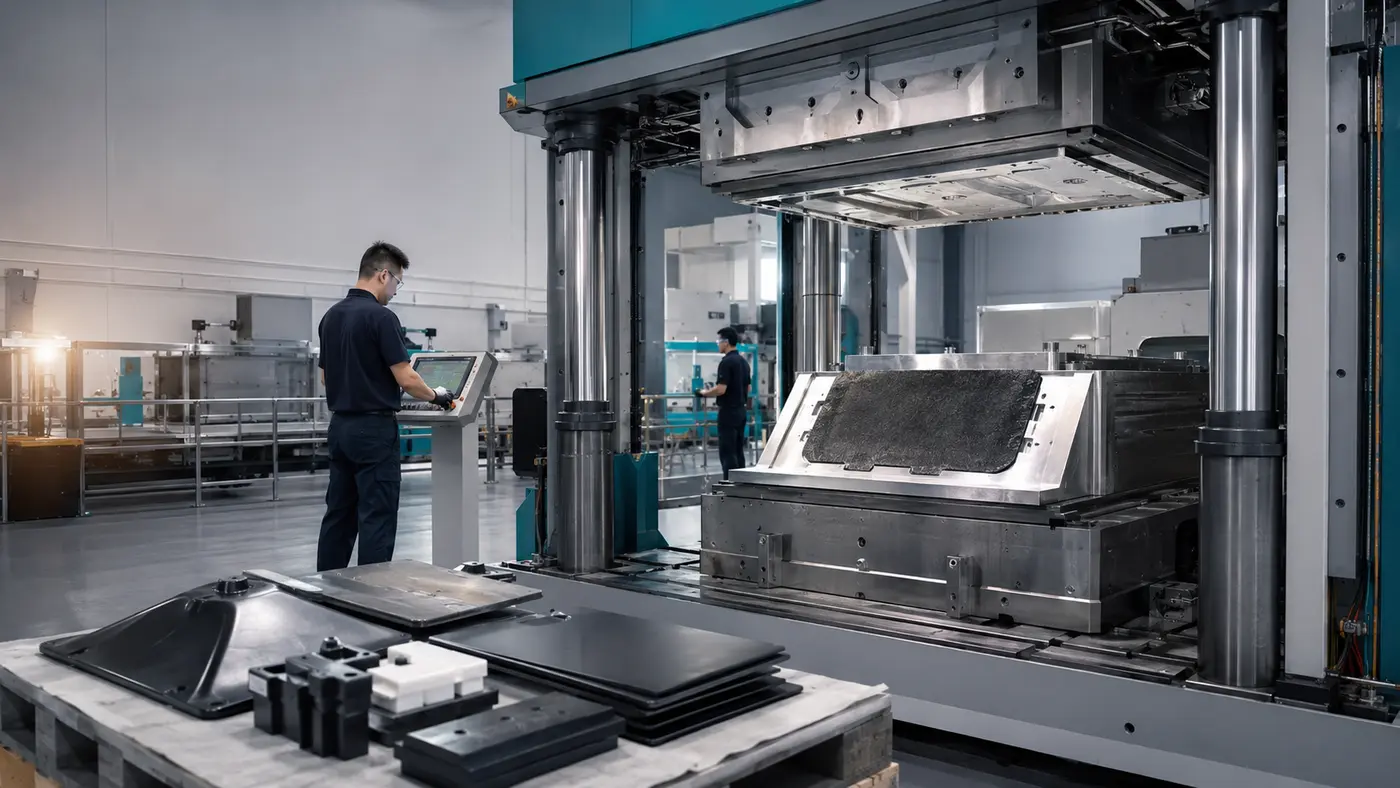
SMC–BMC thermoset compression molding
SMC and BMC use formulated thermoset compounds compressed in a heated mold under a controlled cycle.
Read article →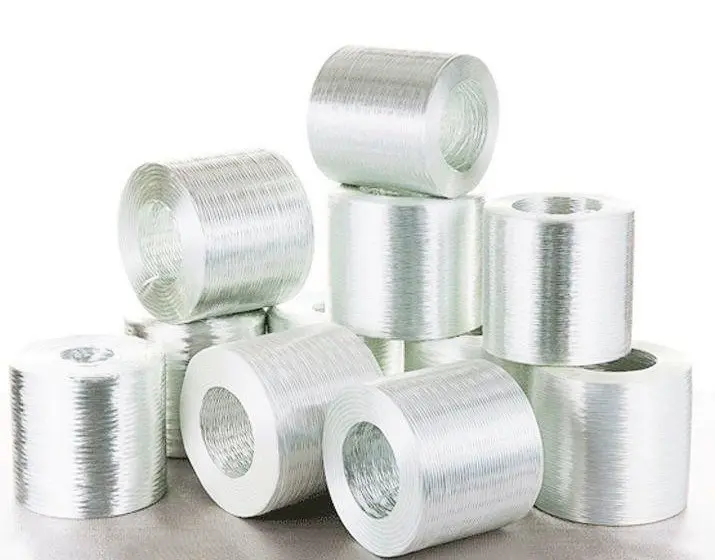
Fiberglass for the spray-up process
Spray-up chops roving into the resin stream, followed by rolling to distribute material and remove trapped air.
Read article →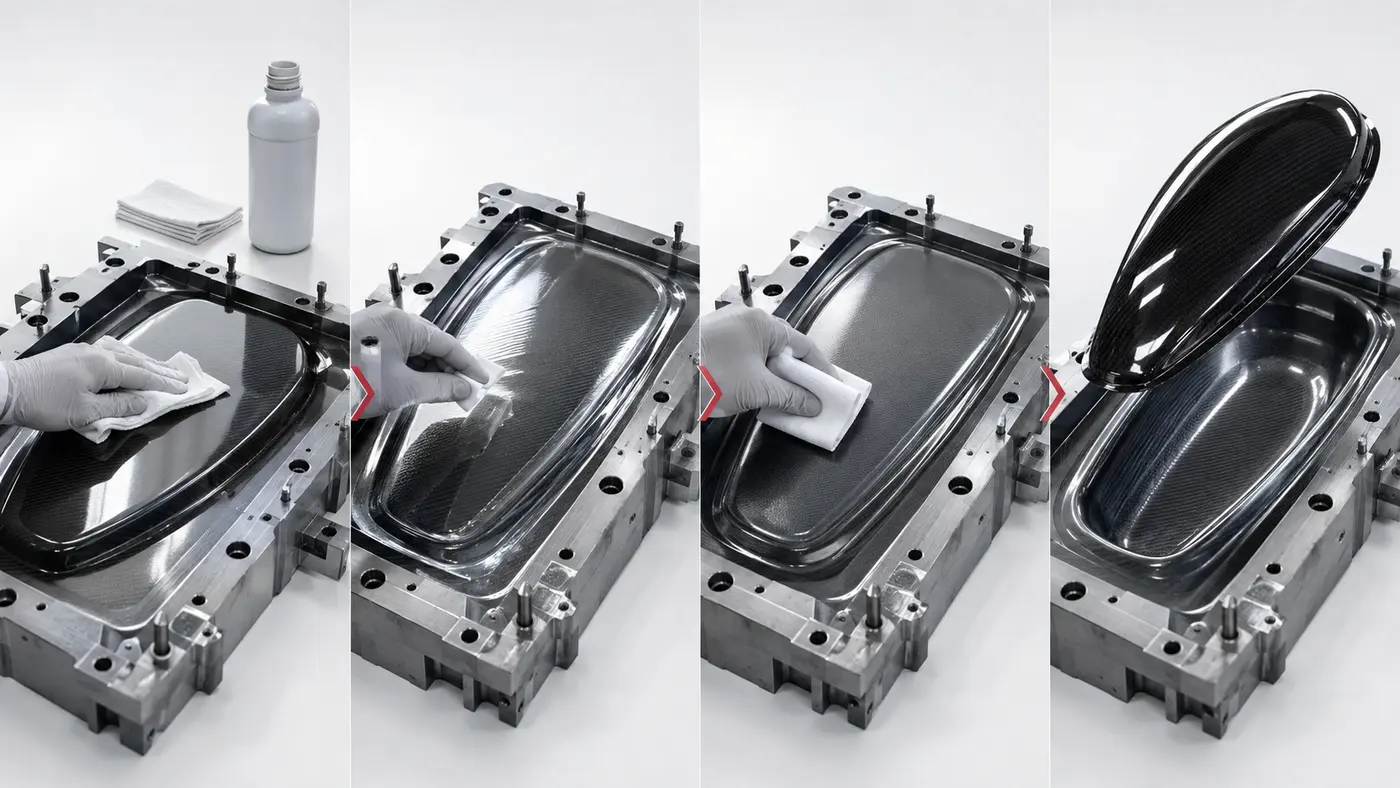
Selecting mold release for polyurethane
PU systems vary in isocyanate, polyol, filler, heat and paint requirements, so release agents must be tested in the actual process.
Read article →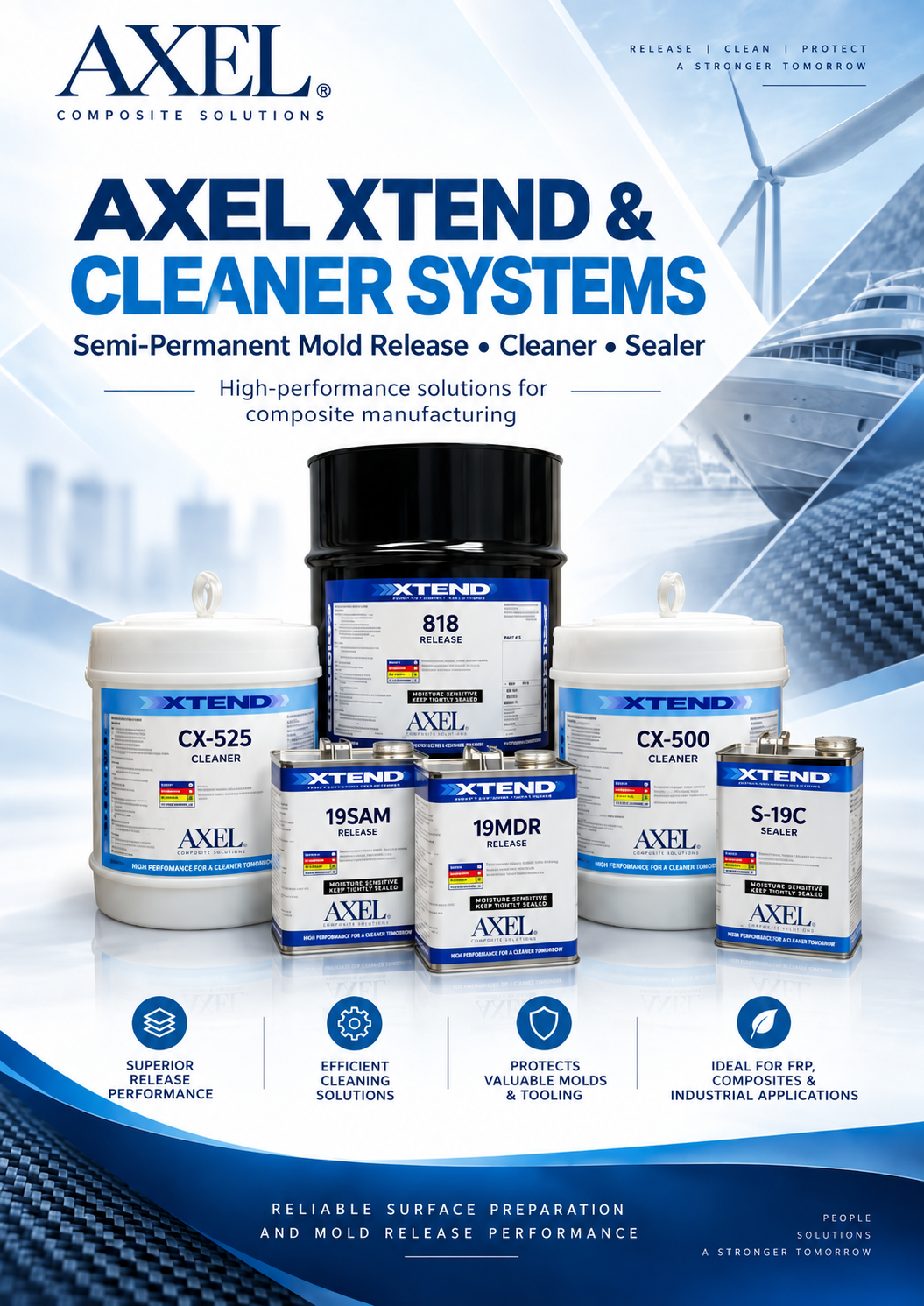
Nylon bristle roller for composites: light consolidation for thin laminates and difficult details
A nylon bristle roller is used in FRP hand lay-up to spread resin and help remove trapped air from wetted reinforcement. Its looped nylon surface provides gentler contact than a metal consolidation roller, making it useful for thin laminates, curved surfaces and areas where rolling pressure needs to be controlled.
Read article →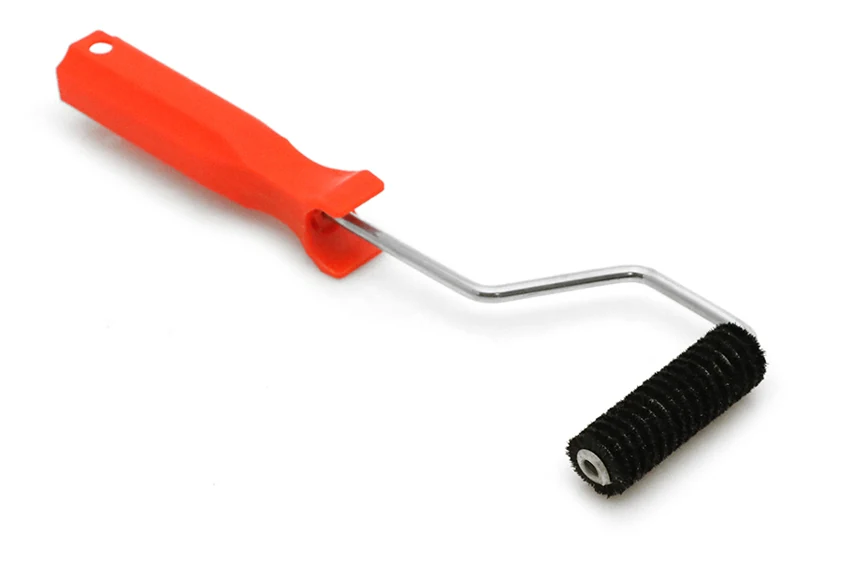
Water-Based Mold Release for Composites, SMC and BMC — MoldWiz EM-1212SF2
A water-based mold-release solution for SMC/BMC, polyester, epoxy and rubber, aimed at reducing solvent exposure, protecting molds and shortening production cycles.
Read article →Latest technical articles
Carbon fiber in composites: fabric selection, fiber orientation and processing
Carbon fiber offers a very high stiffness-to-weight ratio, but laminate performance depends strongly on fiber orientation, weave style, resin content, void control and processing. Selecting the right reinforcement form is therefore as important as selecting the fiber itself.
CARBON FIBERNylon bristle roller for composites: light consolidation for thin laminates and difficult details
A nylon bristle roller is used in FRP hand lay-up to spread resin and help remove trapped air from wetted reinforcement. Its looped nylon surface provides gentler contact than a metal consolidation roller, making it useful for thin laminates, curved surfaces and areas where rolling pressure needs to be controlled.
COMPOSITE LAMINATION TOOLSWater-Based Mold Release for Composites, SMC and BMC — MoldWiz EM-1212SF2
A water-based mold-release solution for SMC/BMC, polyester, epoxy and rubber, aimed at reducing solvent exposure, protecting molds and shortening production cycles.
MOLD RELEASE