
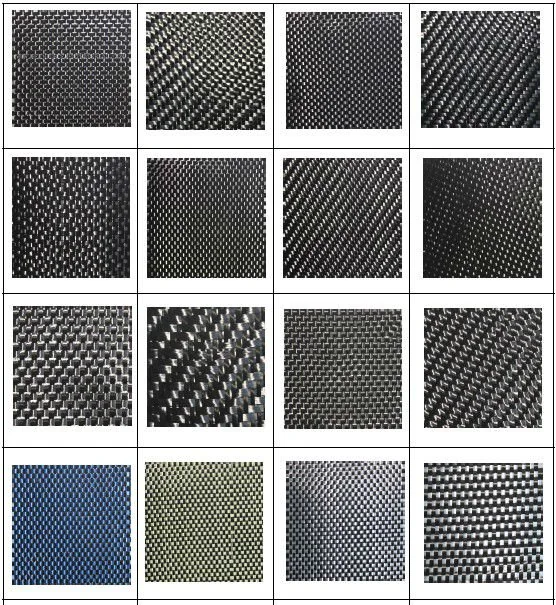
Select by process requirements
A high-performance reinforcement for composite structures requiring optimized mechanical performance.
Key considerations
- Select fabric/fiber architecture according to layup
- Confirm resin-system and cure compatibility
- Application-based material support is available
Characteristics
Black 3K twill carbon fabric with good drape and the classic diagonal carbon pattern. Commonly used for cosmetic outer plies, shells, covers, parts and lightweight structures needing a high stiffness-to-weight ratio.
Handling and lay-up
- Cut on a clean table with sharp shears; tape the cut line to stop the edge fraying.
- Keep the fabric dry and clean, free of oil, dust and skin contact; wear gloves.
- Place plies in the fiber orientation of the lay-up design and avoid stretching, which distorts the weave.
- Wet out evenly and consolidate with light rolling or with vacuum bagging or infusion to control resin content and voids.
Compatible resins
Carbon fabrics are normally used with epoxy to realize their mechanical performance and fiber–matrix adhesion. Polyester and vinyl ester can be used for some cosmetic or secondary parts, but adhesion and properties should be tested. When carbon is in contact with aluminum or steel in wet environments, use an isolation layer to prevent galvanic corrosion.
Specifications, dosage, operating conditions and safety requirements must be checked against the manufacturer’s current TDS/SDS before implementation.
Application information
3K twill carbon fabric
Suitable for laminates requiring a twill surface, low weight and directional mechanical performance.
Check areal weight, tow count, finish, fiber alignment and resin ratio before standardizing the lay-up.