
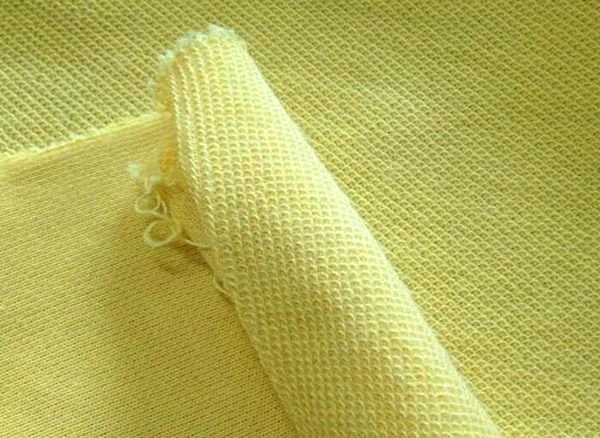
Select by process requirements
A high-performance reinforcement for composite structures requiring optimized mechanical performance.
Key considerations
- Select fabric/fiber architecture according to layup
- Confirm resin-system and cure compatibility
- Application-based material support is available
Characteristics
Aramid fiber offers high toughness, energy absorption and impact resistance at low weight. Commonly used for impact, abrasion or anti-spall areas such as kayak hulls, protective helmets, shields and impact zones within laminates.
Handling notes
- Aramid is very hard to cut with ordinary scissors: use serrated aramid shears.
- Aramid is sensitive to UV and absorbs moisture; store sealed, away from sunlight, and keep dry before use.
- Sanded aramid surfaces tend to fuzz; place aramid in inner plies or cover it with another fabric when a smooth finish is required.
Compatible resins
Epoxy gives the best adhesion to aramid; vinyl ester can be used in some applications. Test adhesion and properties on the actual laminate.
Specifications, dosage, operating conditions and safety requirements must be checked against the manufacturer’s current TDS/SDS before implementation.
Application information
Impact-tough aramid reinforcement
Used in laminates requiring toughness, energy absorption and low weight.
Aramid is harder to cut and finish than fiberglass; select resin, edge treatment and hybrid architecture accordingly.